
Shopping Cart


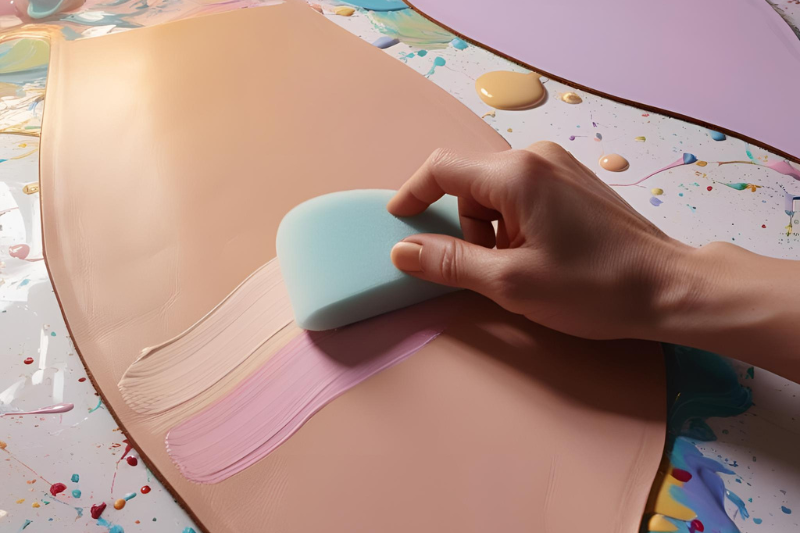
If you want to learn how to dye leather professionally or as a hobby, having the right materials is essential. The type of dye, the application method, and proper tools make all the difference. Here are the basics:
For a uniform and long-lasting result, apply dye in thin layers, control moisture, and buff lightly between coats. Tools like the edge dyeing machine ensure a smooth, professional appearance.
Natural dyes like coffee, black tea, or walnut husk can be used as eco-friendly alternatives. Apply them as you would traditional dyes, though they typically produce softer tones and may require several coats.
Sheepskin is delicate. Use gentle dyes, apply carefully, and avoid over-saturating to maintain its softness and shape.
These leathers absorb dye very well. You can apply multiple coats and sand between them to achieve a deep, even finish.
Nubuck is very porous and should be dyed using specialized sprays. Natural leather must be prepared properly to prevent uneven absorption.
Synthetic leather doesn’t absorb traditional dyes. The best option is to use surface dyes designed for adhesion without cracking.
Shaping leather — also known as wet forming — involves moistening the leather with warm water, placing it over a mold or form, and letting it dry in place. Once dry, the leather hardens and retains its shape. This method is great for cases, masks, and rigid items. Vaqueta leather is ideal for this technique.
At Curtidos Cabezas, you’ll find everything you need: dyes, brushes, sponges, and expert advice for leather artisans.


Comments (0)