Types of Leather for Leathercraft: Complete Guide
What is Leather for Leathercraft?
Leather for leathercraft is a type of tanned animal hide specifically used in the making of leather goods such as bags, wallets, cases, belts, and accessories. Its main characteristics are flexibility and strength, allowing it to be easily shaped and stitched without losing its durability or aesthetics.
The tanning process transforms raw hide into a material that resists wear, preserving its natural texture or being treated to achieve different finishes.
Types of Leather for Leathercraft and Their Characteristics
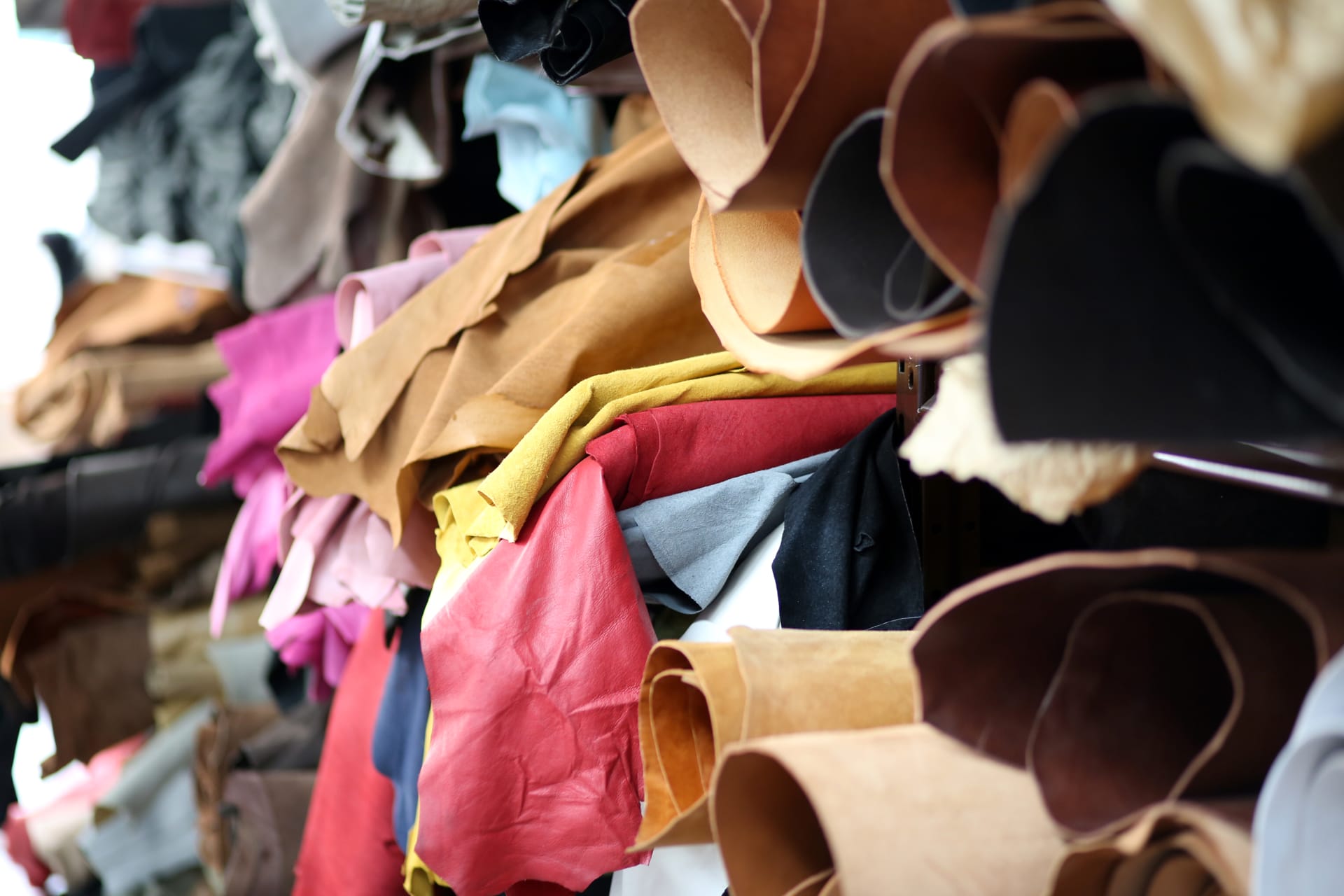
There are various types of leather for leathercraft, each with unique characteristics that make them more or less suitable depending on the type of project.
- Cowhide leather: The most commonly used leather in leathercraft due to its strength, thickness, and durability. Ideal for bags, belts, and wallets.
- Goatskin leather: Lighter and more flexible than cowhide. It has a grainy texture and is used in small and detailed products.
- Pigskin leather: Porous and rough texture. Though less expensive, it’s also less durable.
- Lambskin leather: Very soft and fine, excellent for luxury products, although less durable than other types.
- Vegetable-tanned leather: Tanned with natural tannins, it is rigid at first but softens over time and develops a beautiful patina.
- Chrome-tanned leather: More flexible and water-resistant, but less eco-friendly than vegetable tanning.
How to Choose the Best Leather for Leathercraft
Choosing the best leather for leathercraft depends on the type of product you want to make, the desired finish, level of detail, and your experience working with leather.
At Curtidos Cabezas, we help you choose the ideal leather type for your project, whether you’re a beginner or a professional.
- Define the end use: Will it be an everyday item or something decorative?
- Choose the right thickness: Belts require thicker leather; wallets need thinner and more flexible leather.
- Consider the finish: Natural finishes absorb dyes better, while treated finishes offer more water resistance.
- Check the quality: Look for scars, wrinkles, or unwanted marks.
Where to Buy Leather for Leathercraft?
One of the most common questions is where to buy quality leather for leathercraft. There are several trusted options, both physical and online:
- Specialty stores: Craft or leatherworking shops usually carry a variety of leather types and grades.
- Online distributors: Some websites sell leather by the sheet or by weight, depending on your needs.
- Local suppliers: Look for tanneries or dealers in your area. Buying locally lets you see and feel the leather before purchasing.
At Curtidos Cabezas, we offer a wide selection of leather for leathercraft in different finishes, thicknesses, and types. With decades of experience, personalized attention, and fast delivery across Spain, our online store has exactly what you need for your next project.
Tips for Working with Leather
Working with leather requires patience, proper tools, and practice. Here are a few tips:
- Use sharp blades for clean cuts.
- Moisturize the leather before shaping or sewing.
- Mark stitching lines before punching holes to keep them aligned.
- Invest in quality tools like awls, presses, and leather-specific needles.
- Practice on scraps before starting a major project.
Common Mistakes When Using Leather and How to Avoid Them
Even experienced crafters can make mistakes. Here are some common ones and how to avoid them:
- Using the wrong leather: Not all leather suits every product. Do your research before buying.
- Inaccurate measurements: Once it’s cut, there’s no going back. Measure twice, cut once.
- Not conditioning the leather: Dry leather can crack or break. Use leather oils or creams.
- Using the wrong tools: Regular tools can damage leather. Use tools made for leathercraft.
- Lack of planning: Design your project, make templates, and know the steps before you cut.


Comments (0)