
Shopping Cart


Before learning how to make a leather bag, it's essential to know the materials and tools you’ll need. Whether you want to create a bag from scratch or reuse a leather jacket, this is the starting point.
You can find leather and leathercraft supplies at Curtidos Cabezas, where they offer hides in different thicknesses, finishes, and colors.
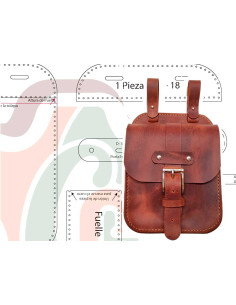
Making a leather bag by hand means carefully working on every detail without machines. The process may seem long, but it's highly rewarding. Hand-stitching, precise cuts, and polished finishing touches are key. Perfect for personalized or one-of-a-kind bags.
An artisan leather bag stands out for its design, quality, and handcrafted finish. The key is using authentic leather, quality tools, and traditional leatherworking techniques. Edges can be burnished, and cuts must be clean and accurate.
Hand stitching is typically done using the saddle stitch technique, which uses two needles and waxed thread. This technique reinforces the seam and gives a more professional look. Pre-marking the holes with an awl or fork chisels is essential.
.png)
Leather bags for men often feature sober and functional designs. Durability and space are prioritized. The most common styles include crossbody, messenger, and backpack models. Use cowhide for extra strength.
Women's leather bags come in a wide range of shapes, colors, and styles. From clutches to tote bags or crossbody bags, there’s room for creativity with textures, fringes, embossing, and smooth or printed leather combinations.
If you’re wondering how to make a bag from leather scraps, the answer is creativity. You can piece together different shapes using decorative stitching, go geometric, or try a patchwork design. It’s an eco-friendly, affordable, and highly aesthetic option.
Reusing an old leather jacket is a great way to give new life to quality leather. Cut around undamaged, seam-free areas, reuse the lining if possible, and take advantage of existing pockets and zippers. The result will be a unique bag full of character.
Start with a design or pattern, choose the right leather, cut each piece, punch holes, stitch by hand or machine, and add finishing touches. The process takes time but yields a one-of-a-kind result.
It depends on the size and technique. A simple bag might take 4–8 hours. More complex or fully hand-stitched bags can take several days.


Comments (0)