
Shopping Cart


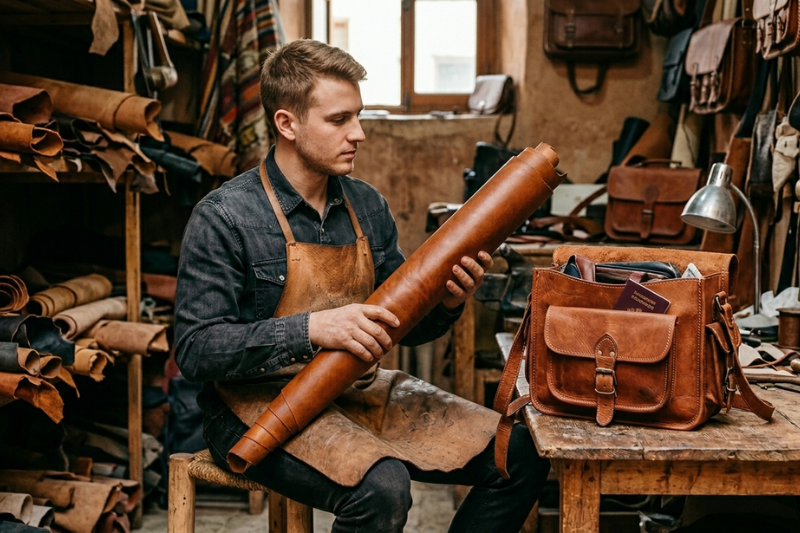
Knowing the different types of leather for artisans is essential to choose the right material depending on the work you want to create. Not all leathers offer the same flexibility, strength, or finish, and choosing correctly will make the difference between a basic piece and truly professional craftsmanship.
From classic cow leather to flexible goat leather, each hide has unique properties that influence cutting, stitching, embossing, and the final finish.
The cow leather is one of the most widely used materials in leathercraft and artisan work thanks to its strength, thickness, and durability.
It is ideal for:
In addition, it withstands molding and intensive handcrafted work very well. Depending on the tanning and finish, it can offer anything from rigid surfaces to very soft textures.
At Curtidos Cabezas , you can find different types of bovine leather suitable for both beginners and professional artisans.
The goat leather stands out for its flexibility, lightness, and wear resistance. Its compact fiber structure allows for thin yet highly durable hides, making it one of the favorite materials for fine leather goods.
It is widely used in:
In addition, goat leather usually features an elegant natural grain and a great ability to absorb dyes and finishes.
The deer leather is appreciated for its extraordinary softness and elasticity. It has a very distinctive and pleasant texture to the touch, ideal for comfortable and flexible pieces.
It is commonly used in:
Although it is less rigid than bovine leather, it offers excellent comfort and a very natural appearance.
One of the most common questions among artisans is choosing between naturally vegetable-tanned leather and synthetic materials.
Vegetable leather stands out for:
On the other hand, synthetic leather offers:
The choice will depend on the type of project, budget, and finish you are looking for.
Choosing correctly among the different types of leather requires analyzing several technical and practical factors.
Before buying leather, it is important to think about how it will be cut, stitched, molded, or embossed.
Avoiding these mistakes will help improve both the working process and the final result.
At Curtidos Cabezas , you will find a wide selection of types of leather for artisans, from bovine leather to goat hides and special materials for leathercraft, embossing, and handcrafted work.


Comments (0)