
Shopping Cart
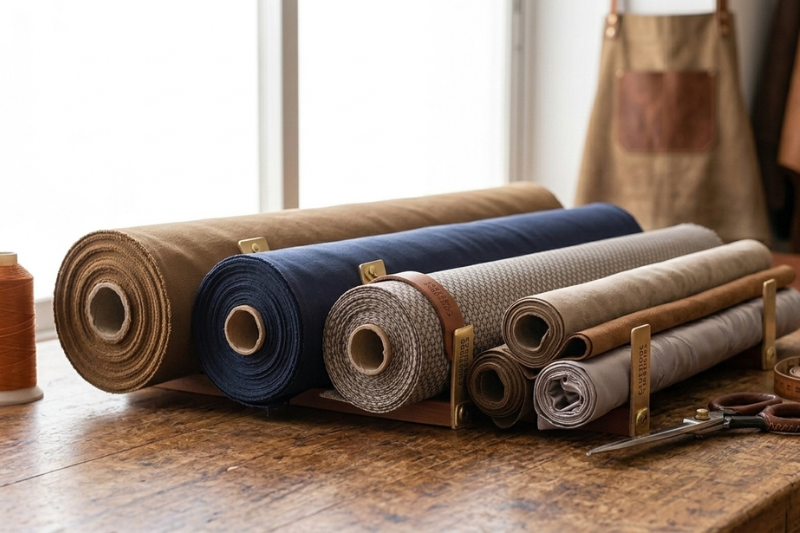
How to line a bag: a step-by-step guide for a professional finish
If you are passionate about leatherworking, you know that the interior is just as important as the exterior. A well-finished interior is an artisan's hallmark of quality. Learning how to line a bag not only improves the aesthetics of your pieces but also grants them durability, protects the leather from the inside, and adds incalculable value. In this detailed guide, we will teach you how to sew a lined bag so that your creations have that high-end finish that defines luxury products.
Recommended Materials and Linings
To achieve an impeccable result, the choice of material is critical. Not all fabrics can withstand constant rubbing or the weight of everyday objects. Ideally, you should use specific linings for bags and wallets, designed to offer strength without adding excessive thickness that makes sewing difficult. Depending on the stiffness of the bag, you can choose velvety microfibers, reinforced cotton twills, or high-density synthetic fabrics that facilitate long-term cleaning and maintenance.
Preparation: precise measurements and cuts
Before jumping into how to sew a lining into a bag, the key to success lies in the pattern. A common mistake is cutting the lining the same size as the exterior; however, the lining should be slightly smaller (subtracting about 2-3 millimeters from the outline) to prevent the fabric from bunching up or "bagging" at the bottom. Precision in cutting using sharp blades or rotary cutters is what sets a professional job apart from an amateur one. Remember to always leave a seam allowance of 0.5 to 1 cm if you plan to assemble the pieces by machine, or a narrower margin for hand sewing.
Threads and Needles: The secret of an invisible seam
To sew a lining to a bag professionally, just any thread won't do. The lining is usually more delicate than leather, so we need a balance between strength and fineness. We recommend high-tenacity polyester threads or bonded nylon threads, which guarantee a seam that won't fray with the rubbing of metal objects. As for needles, if you are joining by hand, round-point needles are ideal to avoid tearing the weave of the lining. For a sewing machine, a size 80/12 or 90/14 needle is the most versatile, allowing it to pierce the fabric without leaving unsightly perforations.
Fixation techniques and sewing the lining
There are different professional methods on how to sew a bag lining. You can opt for the "inverted bag" technique, where the lining is constructed separately and joined to the leather at the top edge, or the piece-by-piece glued lining technique. For temporary fixation to help you maintain perfect symmetry during sewing, it is essential to use a contact adhesive or leather glue. Applying a thin layer to the top edges ensures that the fabric does not shift or create wrinkles while you perform the final stitching.
No-sew options: preformed bags and adhesives
If you are looking for how to line the inside of a bag more efficiently, especially in rigid designs where mechanical sewing is almost impossible, preformed bags are an excellent alternative. In these cases, the technique consists of applying contact cements evenly with a brush. This allows the lining to adhere directly to the internal walls of the leather, achieving a firm, clean, and structural bond that reinforces the piece without the need for a single visible stitch on the outside.
Finishing with zippers and internal pockets
A truly functional bag is measured by its internal organization. Learning how to put a lining in a bag also involves mastering the integration of security compartments. Below, we show you a detailed video tutorial where you can see the exact technique for putting a zipper in a bag with a lining, a fundamental step in mastering the complete construction of how to make a bag with a zipper and lining with a luxury store look:
Care and maintenance of the bag lining
For your craftsmanship to last for decades, it is vital to offer maintenance advice. Professional quality linings allow for easier cleaning with a slightly damp cloth. Avoiding direct contact with corrosive liquids or oils will keep the interior as impeccable as the leather exterior, preserving the value of the piece over time.
Where to buy quality linings and materials today
The quality of your final work will never exceed the quality of your supplies. At Curtidos Cabezas, we have selected a premium range of linings, threads, and accessories that will make a real difference in the durability and feel of your finishes.
Perfect your leatherworking projects with our materials
If you want to raise the level of your pieces and go from amateur to expert, we invite you to come into the store and discover our section of leather tools. There you will find everything you need to punch with precision and sew with mastery.
Visit our online store and discover our professional selection of tools, high-quality linings, and the best leathers on the market.
GO TO THE ONLINE STORE


Comments (0)