
Shopping Cart


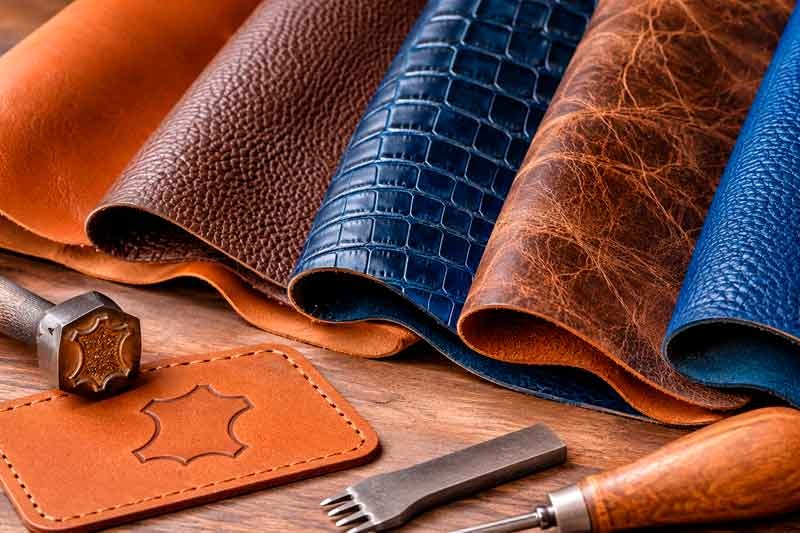
Leather texture is one of the key characteristics influencing the appearance, feel and personality of a leather goods item. Two hides of the same type can produce very different results depending on their grain, surface finish and the treatments applied during the tanning and finishing processes.
From smooth, uniform surfaces to pronounced natural grain, textured finishes and embossed patterns that imitate the hides of other animals, there is a wide variety of options for creating bags, wallets, belts and accessories in many different styles.
Understanding the different types of leather texture makes it easier to choose the right materials for each project and explore their decorative possibilities. In this guide, we'll look at the difference between natural grain and embossed patterns, the most popular leather textures used in leathercraft, and how to customise leather surfaces using specialist tools.
When we talk about textured leather, we are referring to the appearance and surface relief of the leather. Not all hides have the same feel or a completely smooth appearance. Some retain the natural characteristics and irregularities of the animal's skin, while others undergo treatments to create specific patterns, textures or embossed designs.
It is important to distinguish between two concepts: natural grain and embossed texture. Although both can add relief to the leather surface, their origins and characteristics are different.
Natural grain is the original surface structure of the hide. It may feature small variations, pores, wrinkles and irregularities that give each piece of leather its own individual character.
The size and definition of the grain depend on several factors, including the type of animal, the area of the hide and the treatments applied during tanning and finishing. This is why some leathers have a very fine, subtle grain, while others display a much more pronounced texture.
An example is the range of natural leather hides for leathercraft, which includes different types of leather suitable for bags, wallets and other handmade accessories. Choosing a hide with a visible grain can add character to a project without sacrificing flexibility.
Embossed leather gets its pattern or raised texture through a stamping or pressing process applied to the surface. This technique makes it possible to reproduce geometric patterns, decorative designs and textures that imitate the skins of other animals.
One of the most recognisable examples is crocodile-effect leather. Its pattern reproduces the characteristic scales of crocodile skin, creating a striking, elegant and highly decorative appearance.
In our catalogue, you can find embossed cowhide with a crocodile-effect pattern, an excellent option for anyone looking to add pronounced texture and a distinctive design to their leathercraft projects.
The main difference is that natural grain comes from the original characteristics of the hide, whereas embossing adds a pattern created on its surface. Both finishes offer interesting possibilities, but the right choice depends on the style and intended use of the finished item.
The wide range of available finishes makes it possible to adapt leather to almost any leather goods style. Some textures stand out for their natural, understated appearance, while others add depth, character or a more pronounced decorative effect.
Here are some of the most common leather textures and their applications in handmade leather goods:
Smooth leather has an even surface with very little visible grain or texture. Depending on the finishing treatments applied, it can have a matt, satin or glossy appearance.
It is a versatile choice for making wallets, belts, bags and accessories. Smooth leather is also particularly useful when you want to incorporate other decorative elements, such as personalised tooling, contrasting stitching or metal fittings.
Natural grain leather retains the original texture of the hide, with small variations that add depth and character. Its grain can be fine, medium or quite pronounced.
This type of surface is highly valued in leathercraft because it combines a natural appearance with a wide range of design possibilities. Depending on the finish, it can feel soft and supple or offer a slightly firmer structure.
Crocodile-embossed leather features a scale pattern that gives it a distinctive appearance. It is commonly used for fashion accessories, bags, wallets and small leather goods where the surface texture is intended to stand out.
The embossed pattern can vary in size and depth, so it is worth considering the design when cutting out pattern pieces. For smaller projects, for example, it is important to plan which part of the pattern you want to feature in the finished item.
Some leather finishes offer a different appearance and feel from conventional smooth leather. Depending on the treatment and the side of the hide being worked, the surface may have a more pronounced texture and a less uniform appearance.
Our selection of cowhide leather includes different finishes suitable for leathercraft and saddlery projects, including materials with distinctive surface characteristics.
Grained leather has small raised patterns distributed across its surface. Depending on the type of grain, it can have a very fine and subtle appearance or a much more pronounced texture.
This finish is an interesting option for everyday items, as it provides a different look from completely smooth leather. It can also be combined with other leathers featuring different finishes to create attractive visual contrasts.
Some finishes are designed to highlight variations in colour, natural marks and the individual character of the material. The result is a more handcrafted appearance, reminiscent of traditional leather goods.
This style works particularly well for belts, bags, cases and accessories with a rustic or vintage look.
There are synthetic materials on the market that are manufactured to imitate the appearance of leather. Some reproduce the grain, colour and surface texture quite convincingly, making them look similar at first glance. However, their composition and behaviour are different.
Natural leather is an animal-derived material with a structure made up of collagen fibres. Synthetic materials, on the other hand, generally consist of a textile backing coated with polymers such as polyurethane or PVC.
When looking for materials similar to leather in texture and firmness, you will find synthetic alternatives with different levels of flexibility, thickness and surface relief. However, this does not mean they have the same properties or age in the same way.
Some of the main differences include:
This does not mean that all synthetic materials are the same or that every natural hide has identical properties. The right choice depends on the intended use, budget and characteristics you are looking for. However, if you want to work with genuine leather, remember that faux leather is not real leather: it is a synthetic material designed to imitate its appearance.
Colour is another element that can completely transform the appearance of a hide. When combined with a pronounced grain or embossed surface, it can make the material one of the main features of a design.
Textured blue leather is an interesting option for anyone looking beyond traditional colours and wanting to create accessories with a distinctive personality. Depending on the shade and finish, blue can add elegance, a contemporary feel or a bolder touch.
There are several design possibilities:
In leathercraft, this type of leather can be used to make wallets, card holders, bags, cases, belts and small accessories. It can also be combined with other leather colours to create contrasting designs.
For example, a blue wallet with a grained texture can be combined with smooth natural-coloured details, while a bag made from embossed leather can feature smooth leather handles or reinforcements to balance the overall design.
When working with embossed or heavily textured hides, it is advisable to plan the cutting layout carefully. This helps prevent stitching, folds or joins from hiding the most attractive parts of the pattern.
One common question when choosing materials for making bags, wallets and accessories is whether to use natural leather or a synthetic material that imitates its texture. Although both can have a similar appearance, there are important differences between them.
Natural leather retains the fibrous structure of the hide, whereas synthetic leather is manufactured industrially using other materials. Therefore, even when synthetic products have a surface pattern that closely resembles natural grain, their composition should not be confused.
This comparison will help you understand their main characteristics:
| Characteristic | Natural Leather | Synthetic Material |
|---|---|---|
| Origin | Tanned animal hide. | Textile materials and synthetic coatings. |
| Texture | Can retain natural grain with individual variations. | Can reproduce embossed patterns and textures through stamping. |
| Feel | Varies depending on the type of hide, tanning and finish. | Depends on its composition and coating. |
| Aging | Some leathers develop a distinctive patina. | The coating may wear down or deteriorate with use. |
| Customisation | Allows different leathercraft techniques depending on the type of leather. | Possibilities depend on the surface and its composition. |
| Maintenance | Requires care suited to its tanning process and finish. | Requires products compatible with the synthetic coating. |
For a leatherworker, understanding these differences is essential. It is not simply a matter of choosing a material with an attractive appearance, but of selecting one that performs properly during the manufacturing process and suits the intended use of the finished item.
If you want to work with genuine leather, explore our section dedicated to leather hides and skins for leathercraft, where you will find different materials for your leatherworking projects.
As well as choosing a hide that already has a particular grain or finish, you can also customise its surface using different leathercraft techniques. Leather stamping and tooling allow you to add patterns, raised designs and decorative details to create unique pieces.
These techniques are used in leather goods making, saddlery and traditional leathercraft. Depending on the tools and methods used, you can create anything from small decorative motifs to more elaborate designs.
Leather stamping involves marking or reproducing a design on the leather surface using specialist tools. Stamps, punches and other tools can be used to transfer drawings, letters, geometric shapes and decorative motifs onto the material.
It is an interesting technique for personalising belts, wallets, cases, card holders and other accessories. It also allows you to create repeating patterns that give a design visual continuity.
If you would like to get started with this technique, explore our category of leather stamping and engraving tools, where you will find specialist equipment for working on and decorating leather surfaces.
Leather tooling makes it possible to create raised patterns on the surface of the leather through pressure and modelling techniques. The surface is worked with suitable tools, following a design that has been marked out beforehand.
This technique requires practice and patience, as it is important to control the pressure and direction of the tools to achieve an even result. It is particularly interesting for anyone looking to create decorative leatherwork with a high degree of customisation.
Before starting any stamping or tooling project, it is worth keeping the following points in mind:
In our leatherworking tools category, you will find a range of specialist equipment to develop your projects and work with greater precision.
Choosing the right leather texture is an important decision when designing a collection of bags, wallets or accessories. The leather finish influences the appearance of the product, its feel and the way its quality is perceived.
If you are developing your own brand or making leather goods to order, it is worth selecting materials based on both the design and the specific requirements of each project.
Here are some ideas to help you make the right choice:
At Curtidos Cabezas, we supply materials for professionals, leatherworkers and leathercraft enthusiasts. In our section dedicated to leather hides and skins for leathercraft, you can discover different options for your creations, from natural grain hides to leathers with decorative finishes and embossed textures.
You can also explore our range of tools for stamping, embossing and customising leather to find the equipment you need to bring your ideas to life.
The right texture can completely transform a design. Understanding the characteristics of each hide, experimenting with different finishes and choosing the right tools will help you develop distinctive leathercraft projects and achieve increasingly refined results.




Comments (0)