
Shopping Cart


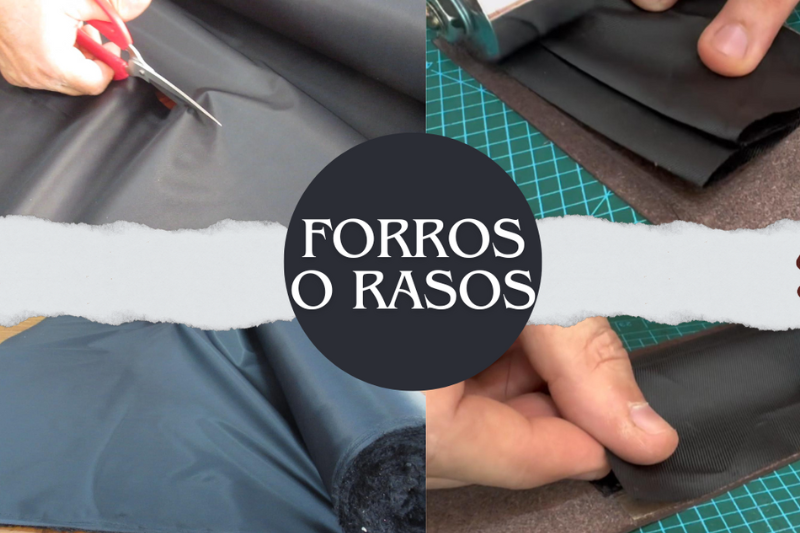
In the world of crafts and leatherwork, satins and linings are key elements that improve durability, appearance, and functionality of finished products. From leather bags to bound books and home accessories, these materials play a crucial role in many handmade projects. In this guide, we’ll look at what satins and linings are, how they’re used across different crafts, and practical tips to choose and work with them.
Satins and linings are materials used to cover and reinforce handmade products such as bags, wallets, bound books, and other crafts. Satins are usually thinner, more decorative fabrics used on the inside lining of a product, while linings are typically tougher materials used to add structure and support.
In leathercraft, satins and linings are essential for making high-quality leather goods. Satins line the inside of bags, wallets and accessories, giving a smooth finish and protecting personal items. Linings reinforce the sides and base, improving durability and resistance.
In bookbinding, satins and linings are used to create covers for books, notebooks and photo albums. Satins are used inside the covers for an elegant finish and to protect inner pages. Linings reinforce the cover structure, ensuring strength and long-lasting performance.
Beyond leathercraft and bookbinding, satins and linings are used in many other crafts. In garment making, satins can line clothing for a smooth, comfortable feel. In fabric bags, linings strengthen walls and bases. In home decor, satins and linings add decorative and functional details to creative projects.
When choosing and working with satins and linings, consider durability, thickness, texture, color and style that best fit your project. Cut accurately, stitch carefully, and glue properly for the best results. And don’t be afraid to experiment with techniques and styles to create unique, personalized pieces.
Depending on your use case and preferences, here are some common material examples:
1. Cotton:
Cotton is a soft, breathable natural material widely used as lining in many craft projects. It’s easy to work with, comes in many colors and prints, and provides a comfortable finish.
2. Polyester:
Polyester is a durable synthetic material often used for satins and linings that need higher wear and abrasion resistance. It’s wrinkle-resistant and easy to clean, making it ideal for projects that require durability.
3. Synthetic leather:
Synthetic leather is a more affordable and ethical alternative to real leather. It’s used to line leathercraft projects and other handmade items that need a leather-like look without animal-based materials.
4. Suede:
Suede is a type of leather with a soft, velvety finish, used as lining in leathercraft and other projects that call for a luxurious, textured feel.
5. Silk:
Silk is a luxurious natural material used as satin in projects that need a smooth, shiny finish—ideal for bookbinding and other premium crafts.
6. Satin:
Satin is a glossy, elegant weave used as “raso” in many crafts, including leathercraft and bookbinding. It adds a refined touch to any project.
These are just a few examples. Material choice depends on the specific project and on your preferences regarding durability, texture, color, and style.
In conclusion, satins and linings are essential across many handmade projects—from leathercraft to bookbinding and beyond. Their versatility and function make them must-have materials for creative makers. By experimenting with them, you can create unique, durable pieces that stand out for quality and craftsmanship.
Contact us at www.curtidoscabezas.com and we’ll help you choose the best satin or lining for your projects.


Comments (0)