
Shopping Cart
- Curtidos Cabezas
- Cueros
- 1 likes
- 30019 views
- 0 comments
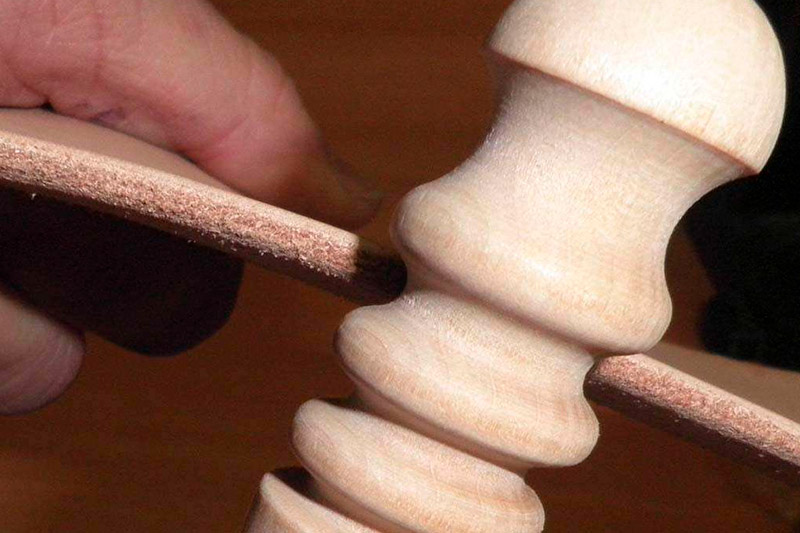
Leather burnishing is a refined technique that adds elegance and durability to leather goods, especially on edge finishes. When someone picks up a leather item—a wallet, bag, or belt—the first thing they usually notice is how smooth the edges feel. How is this flawless result achieved? The key lies in using the right materials and carefully following every step of the leather burnishing process.
Want to know how it’s done and what tools help you create smooth edges for a professional, high-quality look? That’s exactly what we’ll show you in this post by Curtidos Cabezas, with helpful highlights for your leathercraft work.
The art of leather burnishing: Edge finishing that shows craftsmanship and love for detail
Burnishing involves the use of specialized tools such as a leather burnisher. It is used to smooth and polish the edges of leather pieces. This process takes skill and patience, as every stroke has a direct impact on the final result.
Get to know the leather burnisher
As we mentioned, the leather burnisher is a specialized tool used in leathercraft to give a polished, smooth finish to the edges of each piece. It’s especially essential for projects requiring a refined and professional result, such as belts, wallets, straps, and similar items.
The burnisher typically features an ergonomic handle for better grip and control, and a head that can take various shapes. These heads are often made of wood, horn, bone, or durable materials like metal or plastic.
It needs to be tough, since it’s used to rub and smooth leather edges, compressing the fibers and evening out any irregularities.
Other tools for leather burnishing
Aside from the leather burnisher, there are several essential tools used in the burnishing process to achieve high-quality finishes. These may vary depending on the artisan’s preference and the project, but some of the most common include:
- Knife or blades: used to trim and shape the edges before burnishing.
- Fine sandpaper: smooths the leather edges before burnishing, especially if there are rough areas.
- Leather dye: applied to the edges to add color and sometimes hide small flaws.
- Edge finish or sealant: used after dyeing to protect the edges and ensure long-lasting results.
- Soft cloth: perfect for polishing edges after burnishing, dyeing, or sealing for a shiny, smooth finish.
- Dremel or rotary tool: some artisans use these for faster, more efficient edge work.
- Edge beveler: trims a narrow strip off the edge to create a clean, uniform surface for burnishing.
Steps to achieve a flawless leather edge finish
Now that we’ve covered the burnisher and other tools, let’s go over the basic steps of the edge burnishing process:
- Edge preparation: make sure the edge is clean and even before starting.
- Dye or finish application: choose a suitable dye and apply it evenly along the edge.
- Using the leather burnisher: rub the edge in smooth, circular motions with steady pressure.
- Final polishing: use a soft cloth to buff the edge and add shine and softness.
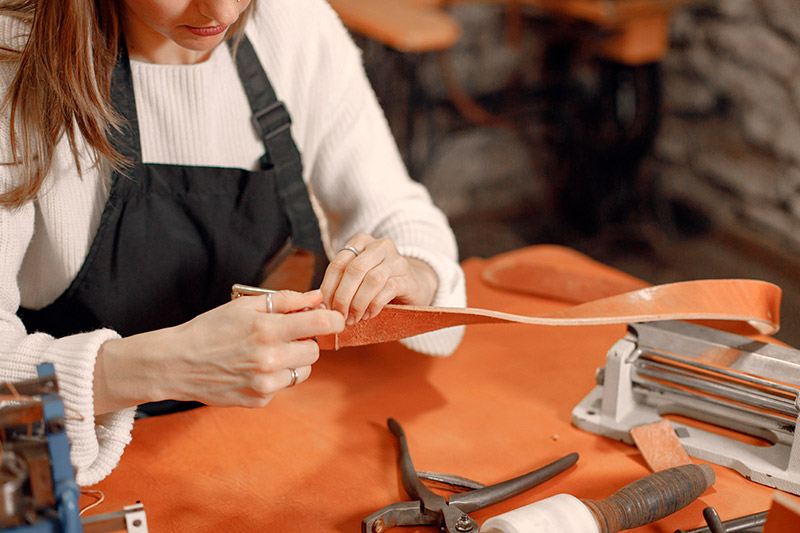
Why you should burnish your leather pieces
Burnishing the edges, especially the visible ones, enhances the look and value of your leather goods. Here’s why you shouldn’t skip this step:
Professional finish
Burnishing adds a smooth, polished finish that gives the piece a more refined and high-end appearance—especially important if it’s for sale.
Durability
By smoothing the edges and removing roughness, burnishing improves resistance to wear and prevents fraying over time.
Comfort and safety
Smooth edges feel more comfortable against the skin, especially for belts or straps. It also helps prevent rubbing or irritation.
Moisture protection
Applying sealants during burnishing helps protect the edges from water damage and increases their durability.
Color consistency
Using dye during burnishing ensures a consistent edge color that complements the rest of the piece.
Visual appeal
Well-burnished edges elevate the perceived quality of the product, showcasing attention to detail and craftsmanship.
Resistance to wear
Burnished edges withstand daily use better thanks to the compression of leather fibers, making the piece more resistant to deterioration.
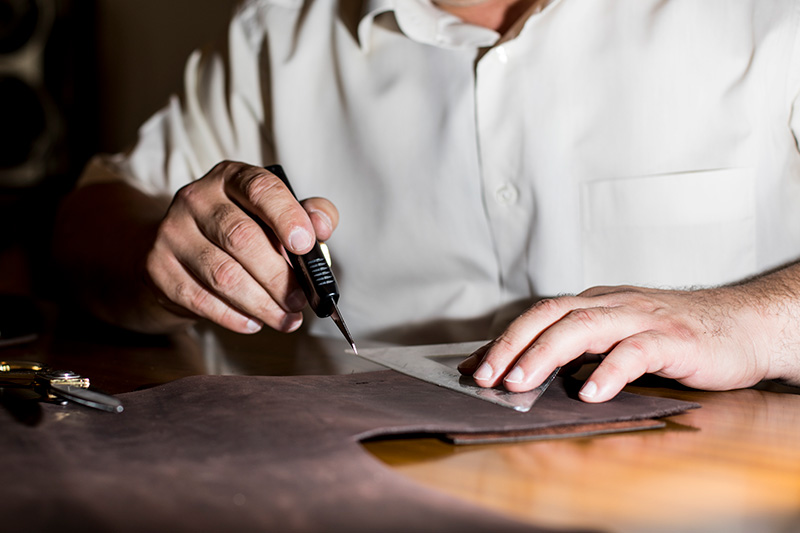
Curtidos Cabezas, your leather specialist
Now that you know more about working with leather, it’s time to put it into practice. Where can you get the right materials and tools? At Curtidos Cabezas.
We offer a wide selection of leather and hides, as well as kits and tools for professional-quality craftsmanship. Browse our site to find exactly what you need. And if you need help or advice about any of our leathers or tools, contact us—we’re happy to assist you.
Comments (0)