
Shopping Cart


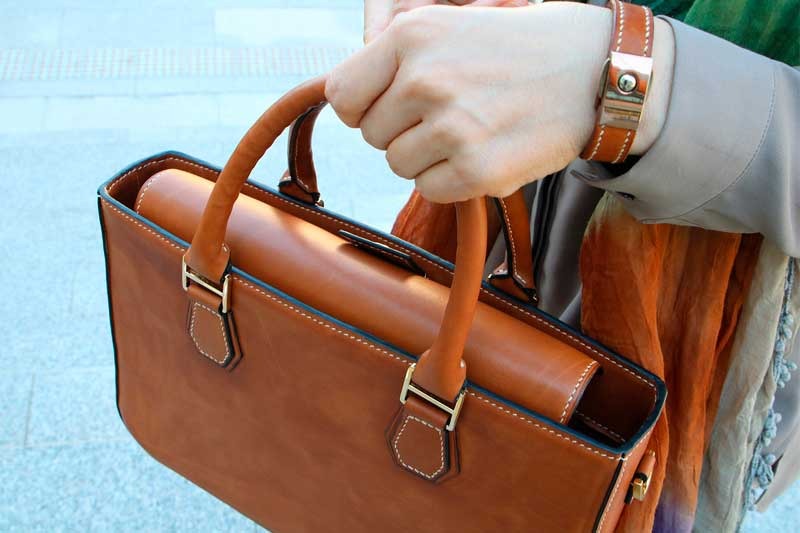
Leathercraft traces its roots back to Antiquity, when Egyptian, Greek and Roman civilizations developed techniques to work leather and create a wide range of products—from sandals and bags to armor and parchment. Over time, leathercraft became a highly specialized trade, with artisan guilds mastering tanning, dyeing and engraving to produce high-quality leather goods.
During the Middle Ages, leathercraft flourished in Europe, with cities such as Florence, Venice and Paris becoming major centers for leather goods production. Artisans developed new techniques and styles, creating elaborate pieces for nobility and the upper classes. In the Renaissance, leathercraft entered a new era of innovation, as stamping and embossing techniques added decorative detail to leather products.
With the Industrial Revolution, leathercraft underwent significant changes in production and distribution. The introduction of machinery and mass production increased efficiency and lowered manufacturing costs, making leather products more accessible. However, concerns also arose about factory working conditions and the environmental impact of mass production.
Today, the debate around the ethics of using animal hides has grown, with increasing focus on ethical and sustainable livestock practices for human consumption. At our store, Curtidos Cabezas, we believe it’s important to use hides from animals raised for human consumption—ensuring the animal is fully utilized and reducing waste.
Ethical livestock practices for human consumption involve healthy, humane living conditions and respectful treatment throughout breeding and slaughter. This includes adequate space, proper diet and regular veterinary care to ensure animal welfare. It also means using humane slaughter methods that minimize suffering.
At Curtidos Cabezas, we’re committed to working with suppliers who follow ethical and sustainable practices. That means choosing partners who meet animal welfare standards and prioritize transparency in how they raise animals and produce leather. We also offer a range of leather options, including vegetable-tanned leather, for those seeking more ethical and sustainable alternatives.

On the market, there are several types of leather used in leathercraft.
These include:
1. Full-Grain Leather: this leather keeps the natural surface and is durable and hard-wearing. It preserves the original grain, including natural marks and texture variations. Ideal for projects that require high quality and strength, such as bags, belts and premium footwear.
2. Corrected-Grain Leather: treated to remove surface imperfections (scars, natural marks), giving it a more uniform appearance. It’s less expensive than full-grain and is commonly used where a more consistent look is preferred, such as furniture and some types of footwear.
3. Synthetic Leather: made from non-animal materials, synthetic leather is a popular alternative for those looking for ethical and sustainable options. Often made from polyurethane or PVC, it can mimic the look and feel of genuine leather. It’s durable, easy to maintain and available in many colors and finishes.
4. Recycled Leather: produced from recycled and repurposed leather goods (old jackets, furniture). It’s an eco-friendly option for those concerned about environmental impact, and it’s often used in crafts and interior design projects.
5. Nubuck Leather: known for a soft, velvety surface created by sanding the outer layer. It’s less resistant than other leathers and needs special care to maintain its look and feel.
6. Aniline Leather: a high-quality leather dyed with water-soluble dyes to highlight its natural character. It keeps the grain and natural features, but it’s more prone to stains and damage. Common in luxury goods and high fashion.
7. Goat Leather: known for being soft, flexible and durable. A popular choice for fine leather goods, used for gloves, wallets and garments.
8. Sheep Leather: known for softness and flexibility, with a distinctive texture and natural sheen. Ideal for garments and accessories that require a smooth, comfortable finish.
9. Cow Leather: from cowhide, valued for durability and versatility. Suitable for many applications—from wallets and shoes to upholstery and saddlery.
For Curtidos Cabezas, transparency and sustainability are core values.
We work with suppliers who comply with strict animal welfare standards and sustainable breeding and tanning practices.
Our goal is to help customers make informed decisions—knowing they support ethical and sustainable practices. Beyond ethics in using leather, we also aim to reduce our environmental footprint across operations, including efficient resource use, waste reduction and more sustainable manufacturing practices.
We believe it’s important to be aware of the environmental impact of our actions and to work toward a more sustainable future for everyone.
Now that you know much more about leathercraft history, we encourage you to start—or level up—in this beautiful craft. If you need more info, don’t hesitate to contact us.


Comments (0)